Durston X-Mid 1: 10 Things Nobody Tells You
The Durston X-Mid 1 is one of the cleverest trekking pole tents around, and I still love mine. But after some tough trips I've found ten things nobody tells you, from a fussy pitch on uneven ground to a thin floor and a stuff sack that fell apart.

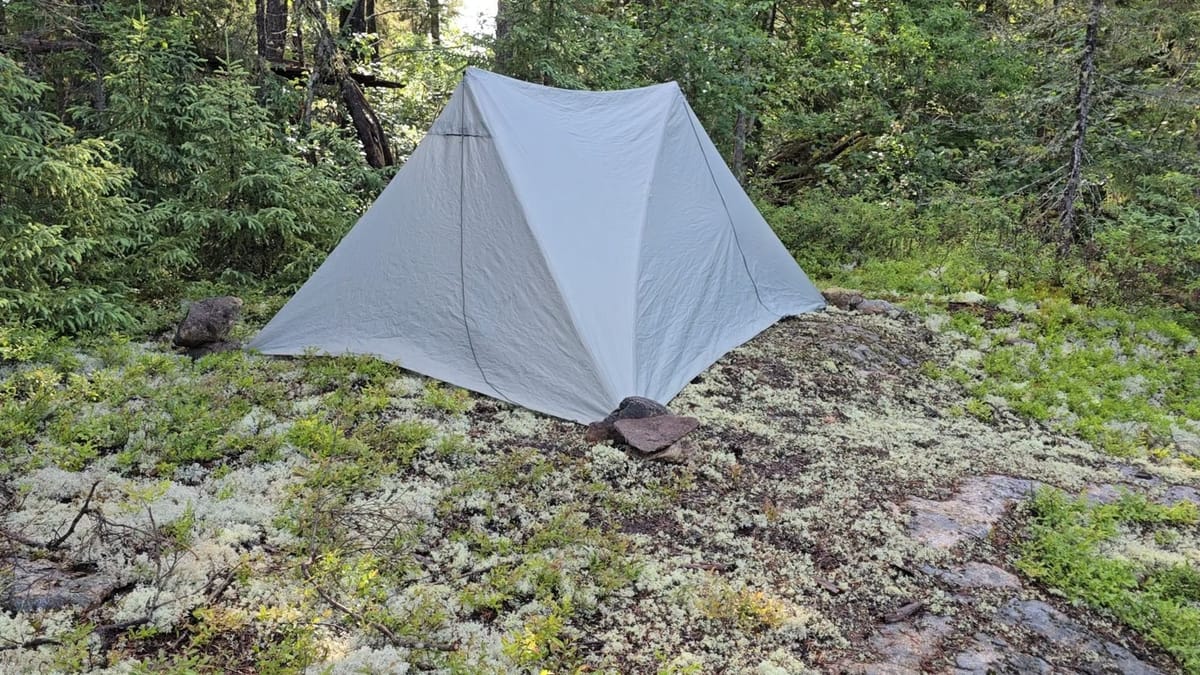
The Durston X-Mid 1 is one of the cleverest trekking pole tents you can buy, and I still love mine. But after some tough wilderness trips with it, I've found ten things nobody tells you before you buy one. They run from a fussy pitch and a thin floor to short guy lines and a stuff sack that fell apart.
None of them is a deal-breaker for me. This is my Durston X-Mid 1 review from the point of view of someone who's lived with it, not unboxed it.
Watch the video to see the saggy first pitch, the small holes in the fly and the inner brushing my head when I lie down.
Just so you know up front: I bought my X-Mid with my own money. Durston hasn't paid me or seen this post, and there are no affiliate links here.
Durston X-Mid 1 specs and how I tested it
I've used my X-Mid 1 on wilderness trips, including a nine-day expedition, in rain and wind that had me worried at times. It came through all of it.
| Spec | Durston X-Mid 1 |
|---|---|
| Durston's listed weight | 745 g (26.2 oz) for the complete tent |
| Weight on my scales | 810 g (29 oz) with stakes and stuff sacks, no poles |
| With my Z-Flick poles | 900 g (32 oz) |
| My pitch time | 2 min 59 s, without guy lines |
| Floor size | 2.36 m x 84 cm (93 x 33 in) |
| Peak height | 119 cm (47 in) |
| Fly footprint | 165 x 254 cm (65 x 100 in) |
| Fabrics | 15D polyester fly and 15D nylon floor, both 3,500 mm hydrostatic head |
| Price | About £256 / $269 when I checked in late 2025 |
| Bought or gifted? | Bought with my own money |
Dimensions, fabrics and the listed weight come from Durston's X-Mid 1 page. The weights, pitch time and price are from my X-Mid vs X-Dome comparison.
Durston says the current X-Mid 1 is a third-generation design, with 2026 upgrades to the zips and floor fabric. My tent is older than those changes, so keep that in mind for points 8 and 10.
1. The pitch has a real learning curve
Inside the X-Mid, the two trekking poles are staggered, not parallel. That offset geometry gives you more room than a plain A-frame, but it isn't an intuitive pitch. You're not staking out a rectangle inside; you're working with a rhombus, and the tension points aren't obvious.
When I started, I'd always end up with a sag somewhere, a crease here, a loose panel there. It took several trips before I'd learnt the tricks for a solid pitch.
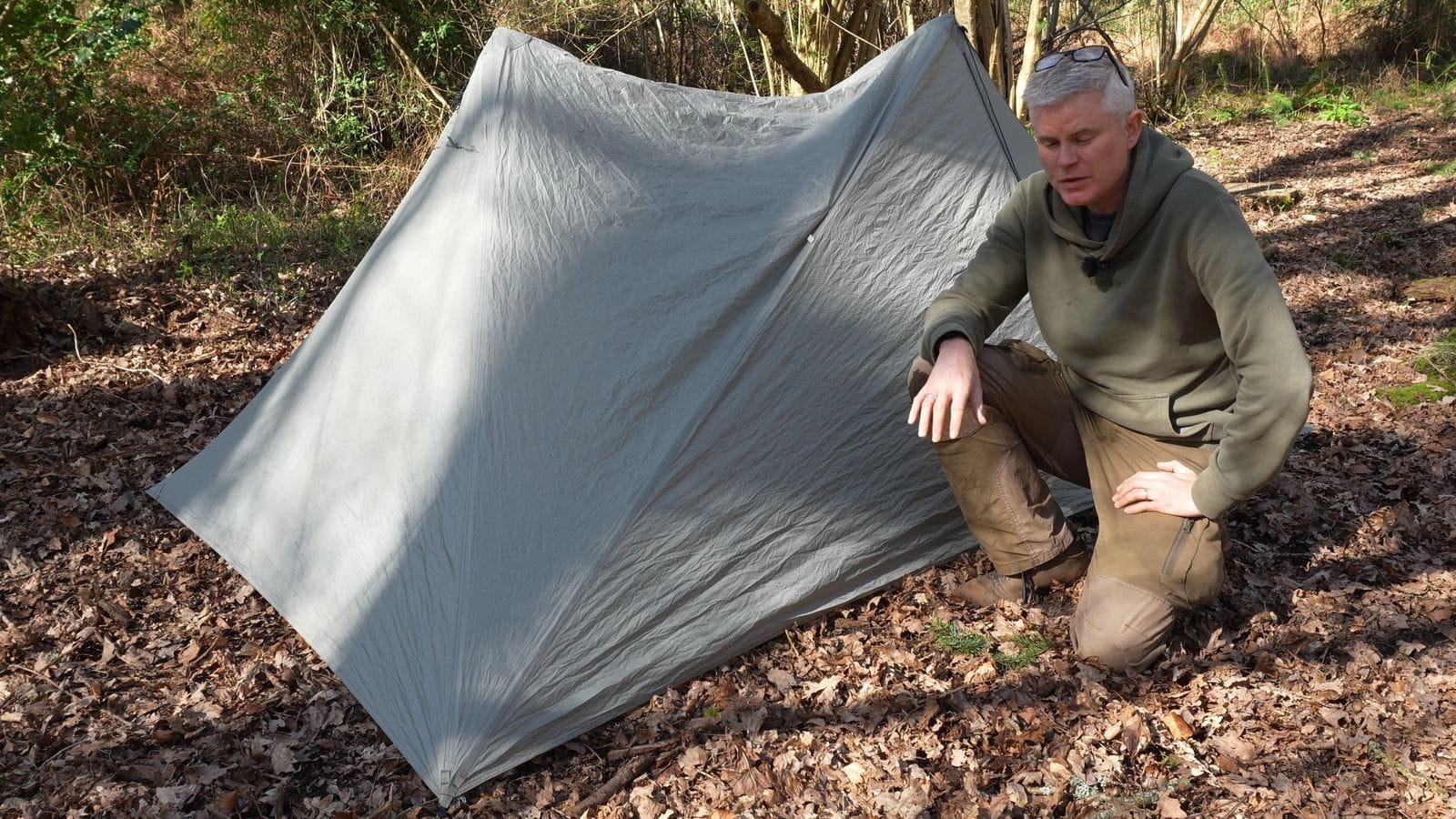
To be fair, it's fast. My first pass takes two or three minutes. But almost every time I put this tent up, there's a lot of faffing and adjusting before it looks right. You can see the sag in my first pitch at 1:55, and how much sharper it gets after a few tweaks.
2. Uneven ground makes a perfect pitch hard
This one follows on from the first. The X-Mid needs its four corners pulled out tight and on the same plane. If the ground isn't very flat, a perfect pitch is extremely difficult, and on some spots I've camped on it was close to impossible.
I've almost never pitched it on perfect ground. I've never failed to get it up, but sometimes you end up with a lot of sag, and the inner and outer can touch.
Picture yourself on a long-distance trail like the PCT or the Appalachian Trail. It's dark, it's raining, you're tired, and none of the pitches are good. That's when this matters. The tent also takes up a big rectangle of ground, which rules out some tight wild camping spots.
3. More vestibule than you need, not enough inside
The inner is big enough for a sleeping pad and a few bits and bobs. Then there are two enormous vestibules for your pack and boots. For a one-person tent, you get more vestibule space than you need.
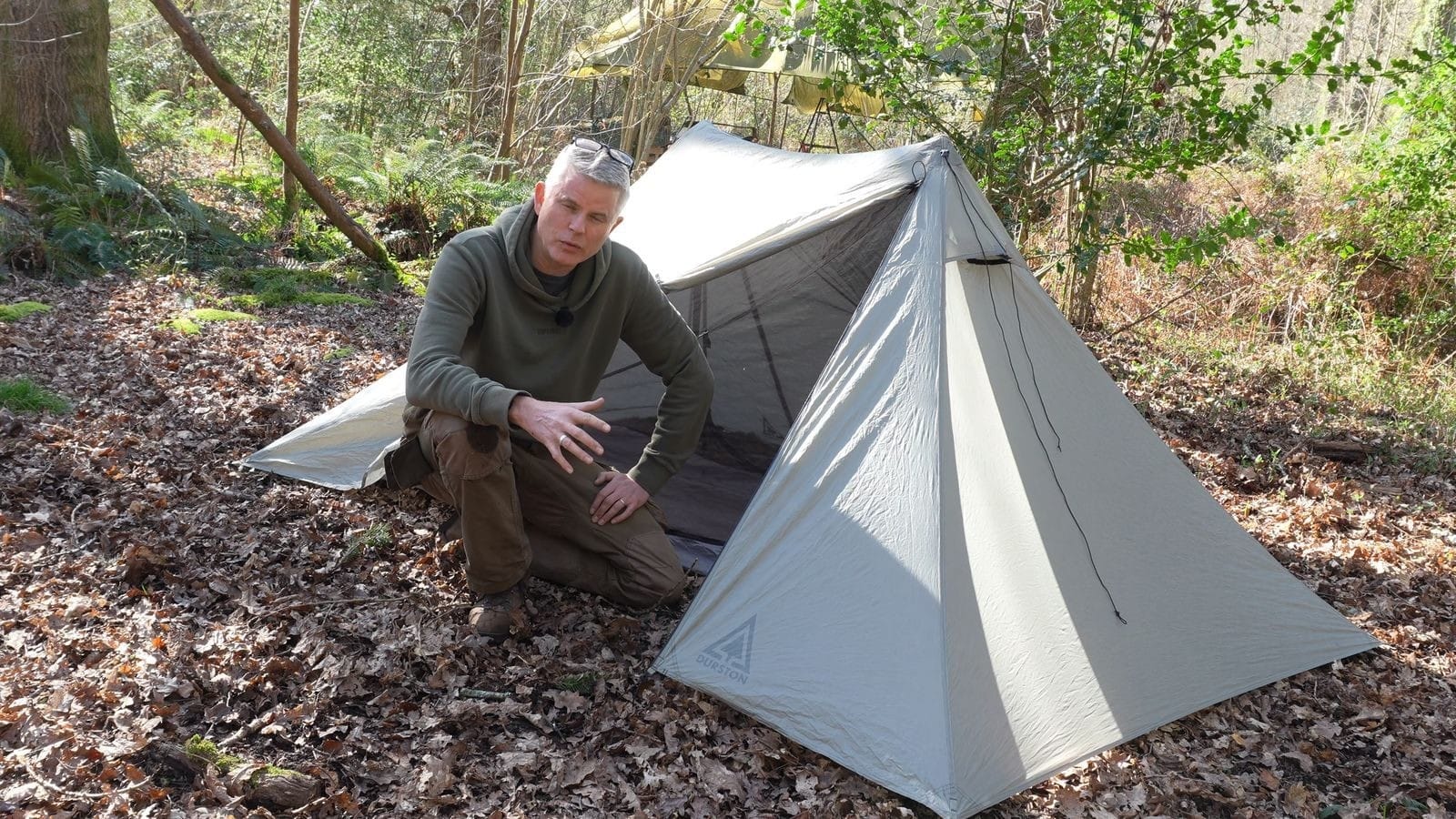
I'd rather Durston had used the "1+" idea from the X-Dome: lose one vestibule and turn it into floor space inside. You'd have a far more usable living area and still plenty of space outside. I go into the trade-off properly in X-Mid vs X-Dome.
4. It depends on two trekking poles
The X-Mid needs two trekking poles to stand up. Imagine you're ten days into a backcountry trip, you fall and crack a pole. Now you're stuck making sticks to hold your tent up.
Plenty of one-person trekking pole tents need only one pole, and lots of people walk with just one. I'm not a fan of trekking poles, so I carry Durston's Z-Flick poles just for the tent. That's the downside I cover in more depth in trekking pole tent downsides.
5. The peak vents have no mesh behind them
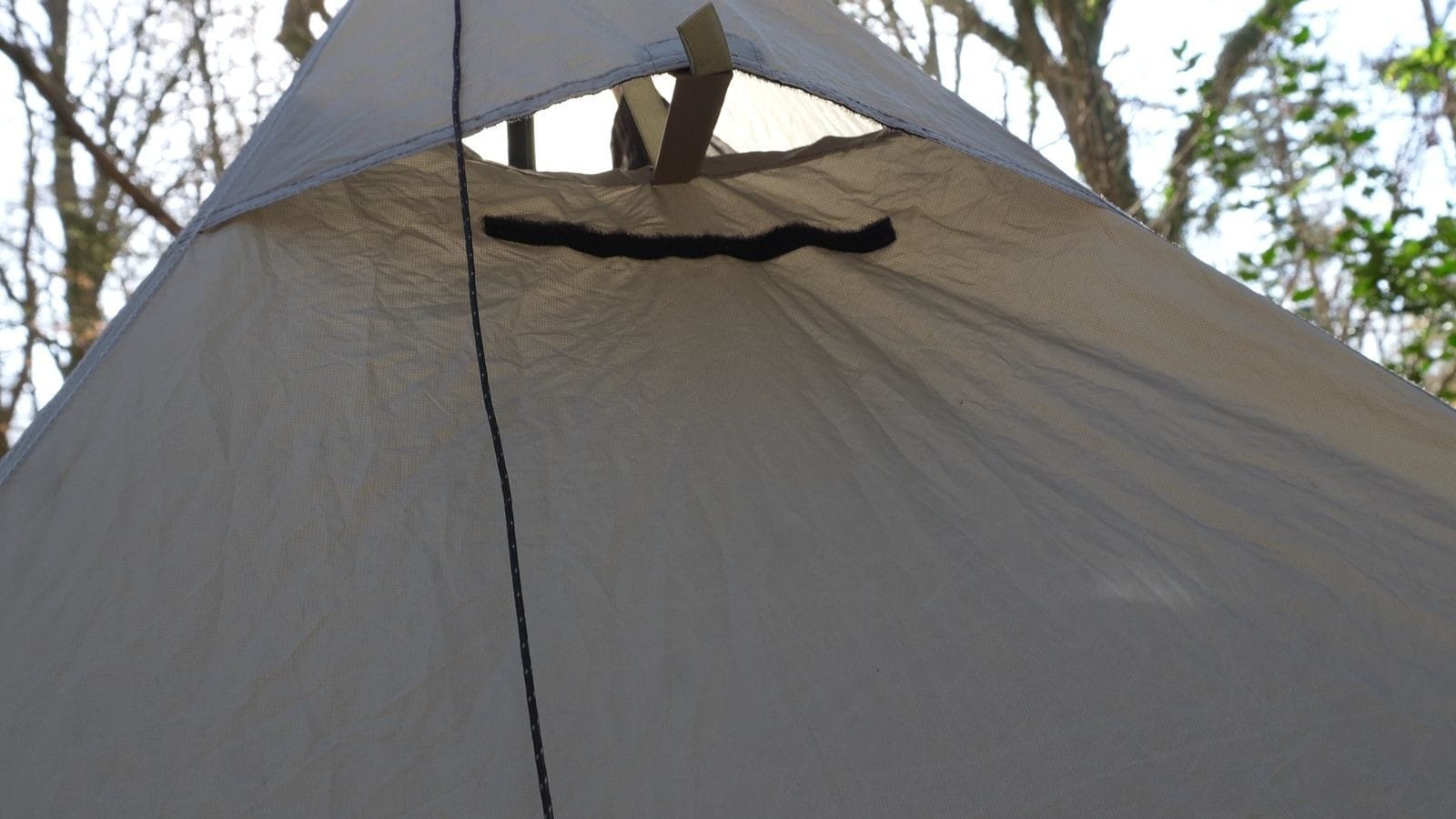
When I was researching the video, I found people complaining that these peak vents can let water in during heavy wind. There's no mesh and no inner flap behind them, so there's no last line of defence when the wind drives rain up under them from the wrong direction.
6. Small holes in the fly
I've picked up a couple of small holes in the outer. I'm not sure what caused them. I'm not aware of cutting or snagging it while pitching or packing.
They aren't in a spot where water gets in, but they're definitely there. You can see one of the holes up close at 6:00. I've written more about wear in X-Mid durability: holes, floor and zips.
7. The guy lines are too short
The supplied guy lines are very short. They leave you minimal clearance between the tent and the stake. In heavy wind you'll want to swap them for much longer lines.
It gets worse if you can't get a stake in and have to tie off round a big rock. There's nowhere near enough line to do that.
8. The zips are under constant tension
Because of how the X-Mid pitches, the door zips are under serious tension. That's part of what gives the tent its strength. Every time you pitch it, you're pulling and tightening against them.
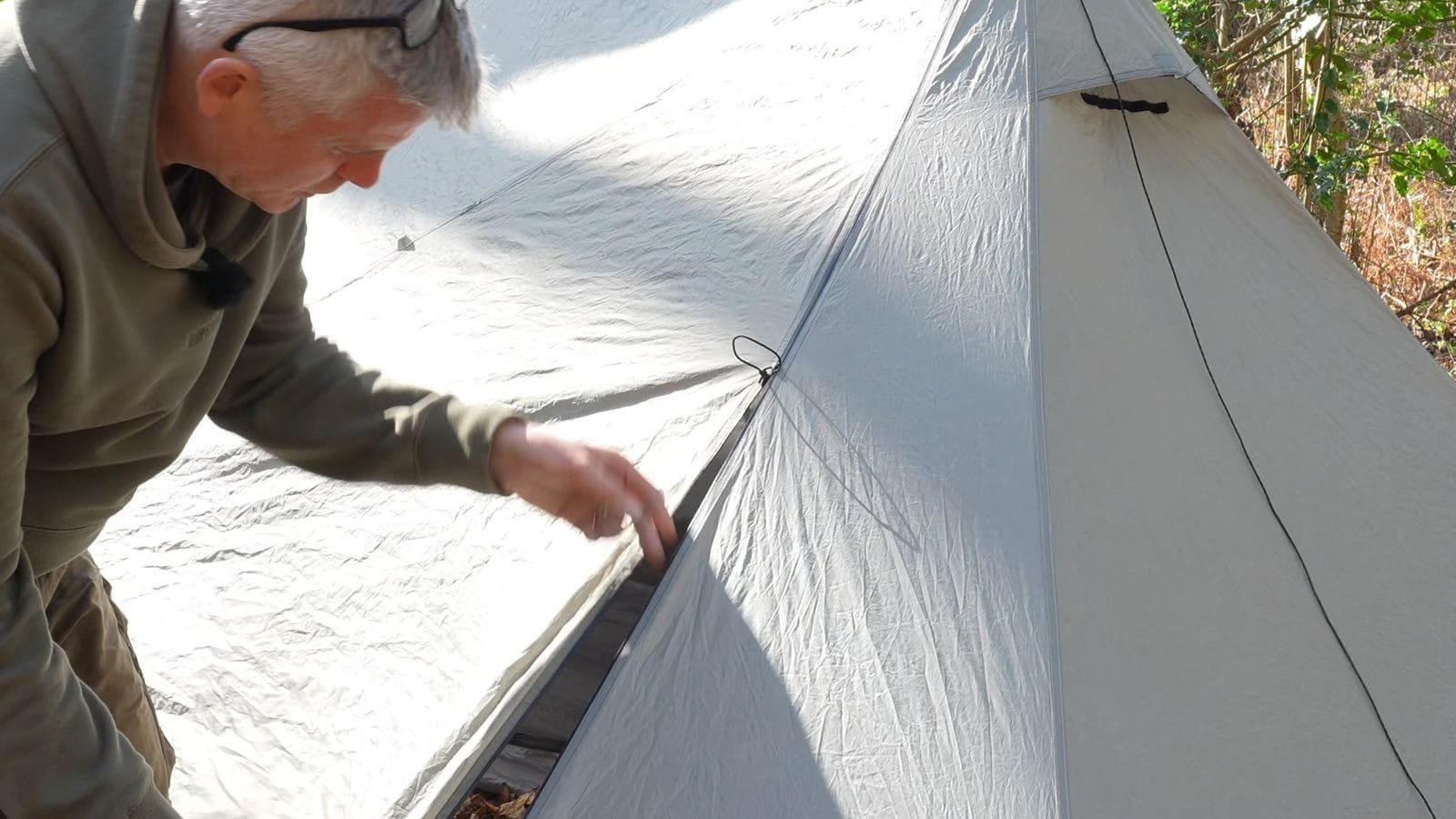
Some owners have reported the stitching failing over long periods. On wet ground there's a related problem: the Z-Flick poles can sink into soft soil, and the tent starts to sag.
9. Two high pockets and limited headroom
My tent has only two pockets, and both are high up. There's no low pocket to drop your phone into, which most people would find handy. Durston's current page lists four pockets, two of them low down by the doors, so newer tents may already fix this.
The inner is tight. I'm six foot tall and I fit, but once I'm on a sleeping pad, the inner touches my head. I find that irritating. If you're over six foot, you'll find it more irritating, and I'd point you to the X-Dome instead.
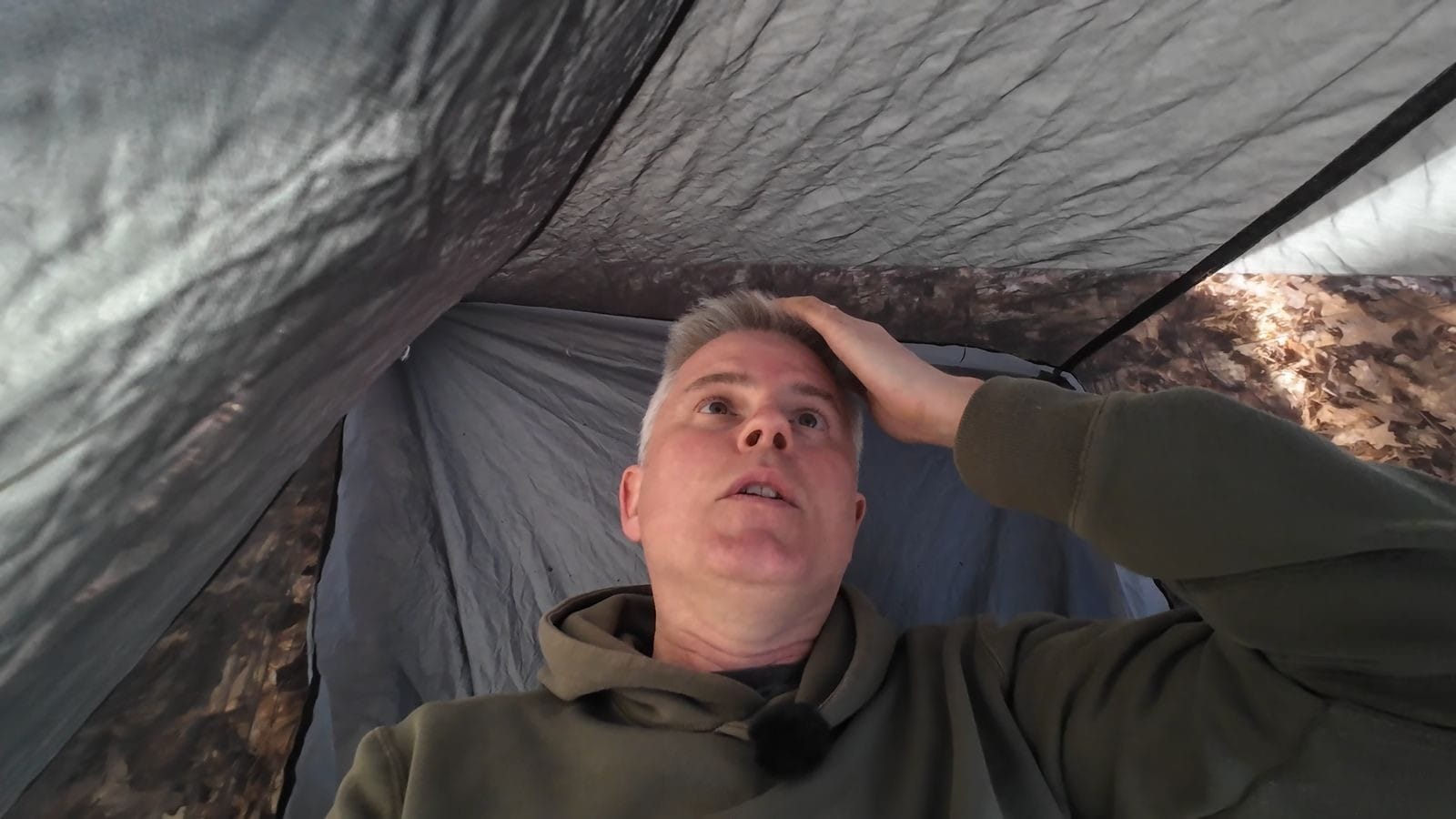
The doorways aren't huge either. When I'm cooking or working in the vestibule, the inner gets in the way. A slightly bigger door would make a real difference.
10. The floor feels thin
The floor fabric feels very thin. I haven't had any problems with it yet, so this is a worry rather than a failure. But given the holes in my fly, I wouldn't be surprised if it started to go. Whether that means you need a groundsheet is a question of its own, covered in do you need an X-Mid 1 groundsheet?
Bonus: the stuff sack that fell apart
You might notice my bag says X-Mid Pro 1. This isn't a Pro. The original stuff sack fell apart after a nine-day expedition, with no rough handling that I know of. Maybe the stitching was faulty.
Durston's customer service is excellent. I got in touch and they sent me a new bag, which happened to be a Pro one. See the stuff sack story at 8:55.
Durston X-Mid 1 pros and cons
The good stuff
- Clever offset-pole geometry that gives more room than an A-frame.
- Fast to pitch: 2 minutes 59 seconds in my timed test.
- Light: 810 g on my scales with stakes and stuff sacks.
- Two genuinely impressive vestibules.
- Has handled serious rain and wind for me.
- Excellent customer service from Durston.
The downsides
- A pitch with a learning curve, and it hates uneven ground.
- Needs two trekking poles, and a big rectangle of ground.
- Small inner for the size of the tent; the inner touches my head on a pad.
- Peak vents with no mesh behind them, and short guy lines.
- Zips under constant tension, a floor that feels thin, and small holes in my fly.
Alternatives to the X-Mid 1
If you don't carry trekking poles, are over six foot, or camp on rocky ground, look at the Durston X-Dome 1+. It's freestanding, has more usable space inside, and it's the one I'd pick. It costs more, and it isn't flawless either: its carbon poles have started to fray on me.
If the price puts you off, the Lanshan 2 is a third of the price and much more forgiving to pitch. I compared them in Durston vs Lanshan 2. For everything else I've slept in, see the best ultralight tents I've tested.
Verdict: is the Durston X-Mid 1 still worth it?
Yes. None of this changes what the X-Mid is: one of the most thoughtfully designed trekking pole tents on the market, with great vestibules, clever geometry and the strength to ride out serious weather. Just go in with your eyes open, especially if you're tall, don't use trekking poles or camp on rough ground.
If you own one, I'd love to hear your own issues and fixes in the YouTube comments. Watch the full video, then subscribe to Camp With Matt for more gear reviews like this.